The Largest Online Community for Contact Centre Professionals


The Largest Online Community for Contact Centre Professionals
 Close
Close



Published On: 6th Aug 2026 10:16
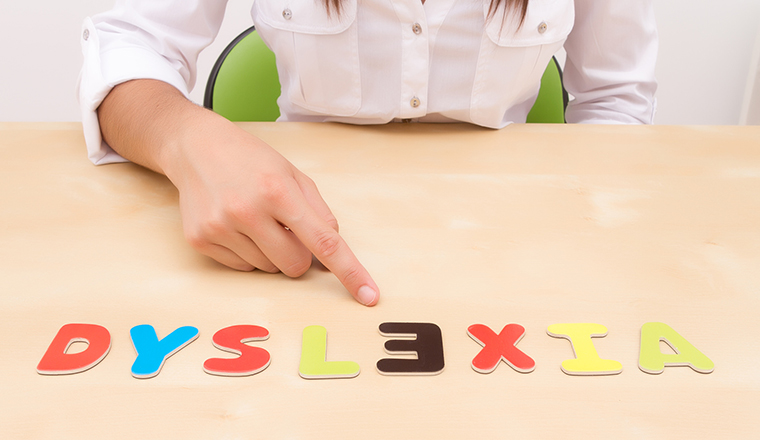
Ronan McDonnell explains the changes you can make in your contact centre to help make life easier for agents with dyslexia.
Dyslexia can often affect the way information about spoken words is processed or stored, and this in turn can create problems with memory, speed, sequencing and organisation. It is not the result of visual difficulties or related to general intelligence.
In a contact centre, where employees may be required to read a script while speaking with customers by telephone, this can be challenging for both the employee and the employer.
This is because having difficulty reading a script, and slipping up during a phone call as a result, can affect an agent’s confidence in themselves and their work.
If this is happening to a dyslexic agent in your contact centre there are a number of measures you can take to help:
Most scripts are written in the usual style, having 6 to 10 words per sentence. For a person suffering from dyslexia, this can be a tough task to begin with.
It has been shown that dyslexics respond well to reading in a structure that sees only 4 to 5 words per sentence. This makes finishing a sentence a smaller task, with less possibility of mistakes being made.
Have you ever considered a dyslexia disclaimer on your email signatures, for those who need it?
Kate Halpin, Principal Neurodiversity Consultant at Employ for Ability explains:
“Towards the back half of 2022, I started to notice an increase in this trend. This is fantastic to see – particularly when it’s being led by neurodivergent senior managers in organisations.
Dyslexic disclaimer signatures may be a great way to open up conversations and to raise awareness about the differences in our brains and to help break stigma and unconscious bias that do still exist.”
You can see an example of a dyslexia disclaimer below:
I apologise if there are any spelling, grammar mistakes or confusion with this email. I have dyslexia.
Please understand I do my best to reduce these errors. If you have any questions, please do call me and I will be happy to explain my email further.
When a dyslexic mind sees a word or a letter it can flip it either back to front or upside down. However, there are fonts available to prevent this from happening.
A quick search online will reveal some fonts that you most likely already have on your PC that can help.
Alternatively, there are companies out there that sell fonts specifically created to help dyslexic reading.
These work by combining a number of different factors:
A dyslexic person could type their emails, reports or articles in these special fonts and then change the finished product back to any regular font required by the company.
These fonts can also be added into webchat facilities.
People with dyslexia often have strong reasoning, visual, creative and problem-solving skills.
If you have roles in your organisation that require these traits, it may better suit a person with dyslexia to move them to a role that plays to their strengths.
Dyslexia is a learning difficulty that primarily affects the ability to learn to read and spell. It stems from a difficulty in processing the sounds in words and can often run in families. It is identified as a disability as defined in the Equality Act 2010.
The most accurate method of identifying whether a person is dyslexic is a medical screening with a qualified doctor. However, the following traits are quite common and may even prompt someone to seek a test if they recognise any of these characteristics in themselves:
Written by: Ronan McDonnell, Total Quality Management Leader and Complaints Manager
Dyslexia Action
Brittish Dyslexia
Reviewed by: Megan Jones

The Latest Customer Contact Research, Reports and White Papers straight to your inbox!
Get the latest insights from Call Centre Helper by signing up for our email content.
Close