The Largest Online Community for Contact Centre Professionals


The Largest Online Community for Contact Centre Professionals
 Close
Close



Published On: 6th Aug 2026 12:04
Rachael Royds of CallMiner defines customer journey analytics before discussing how the technology can benefit the contact centre.
Customer interactions don’t happen in a vacuum; your customers interact with your company through myriad channels and at many different stages throughout the buyer’s journey.
While analytics for single-touchpoint, single-channel interactions provide valuable insights into the effectiveness of your messaging at that juncture, they fall short of painting the full picture.
Enter customer journey analytics: a solution that eliminates data silos and combines otherwise segmented data to empower marketers to improve the customer experience throughout the entire customer journey, from end to end.
Here’s what you need to know about customer journey analytics, its benefits, and how it works.
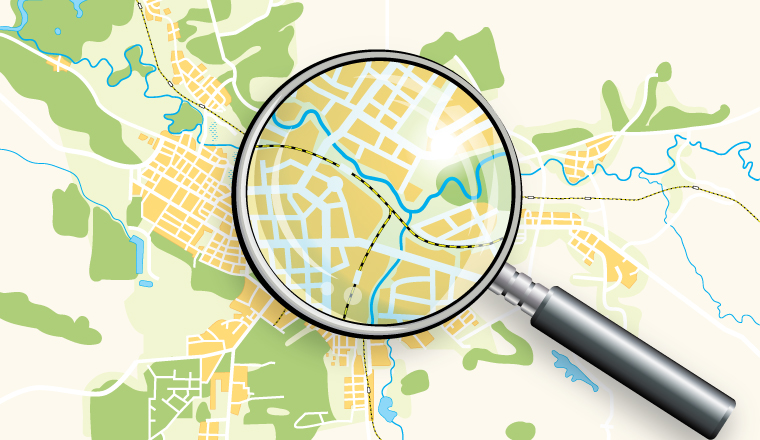
Customer journey analytics is not the same as customer journey mapping. While customer journey mapping is the process of creating a visual map or representation of the touchpoints throughout the buyer’s journey, customer data analytics connects data from those touchpoints across all channels over time. That said, customer journey mapping is a valuable precursor to customer journey analytics.
Customer journey analytics typically refers to software that enables companies to manage the customer experience across all channels and touchpoints.
According to G2 Crowd, customer journey analytics software “tracks, weaves together, and analyses customer interactions across all channels so that businesses can react in real time and execute behaviour-driven strategies.”
Customer journey analytics solutions are used to track and monitor customer behaviour across multiple channels, from the first introduction to a brand or company throughout the entire relationship.
Because the customer journey doesn’t end with the purchase, customer analytics solutions go past the point of purchase to monitor and analyse behaviour through customer service interactions and beyond.
One hallmark of customer journey analytics is that it combines both quantitative and qualitative data. It allows companies to identify the customer journeys that have the biggest impact on specific business goals – such as increasing revenue or reducing customer churn – and making data-driven decisions designed to influence those outcomes.
For instance, a company might identify a key set of touchpoints the majority of leads visit immediately prior to making a purchase, and then leverage this insight to better optimise interactions at those touchpoints to increase the percentage of leads that convert to customers.
Alternatively, marketers could optimise the path to purchase by driving more leads to those key touchpoints.
By combining data about customer behaviour with marketing metrics, companies gain a better understanding of customer needs and wants, as well as actionable insights that can inform decision-making.
What’s more, customer journey analytics enables companies to better forecast and predict customer behaviour based on data gained through historical interactions and similar messaging at various touchpoints.
Customer journey analytics helps companies answer questions such as:
Armed with answers to these and other important questions, companies can make data-driven decisions to directly influence outcomes, such as intervening with targeted customer service efforts when a customer is following a likely path to churn.
To get the most from customer journey analytics, follow these best practices.
Today’s customer journeys cross multiple channels and involve more touchpoints than ever before. Ordinary analytics solutions provide valuable insights, but this data exists in silos.
By combining your data across channels over time with customer journey analytics, you’ll get a more complete picture of your customers to better predict and influence outcomes.
Are you using customer journey analytics to break down data silos? What benefits will your company gain from customer journey analytics?
This post has been re-published by kind permission of CallMiner - view the original article.

CallMiner, the leader in CX automation, combines AI agents and human expertise to optimise interactions, cut costs, and boost engagement. Advanced analytics transform conversations into intelligence that drives improvements and automation for global brands.
Find out more about CallMiner

The Latest Customer Contact Research, Reports and White Papers straight to your inbox!
Get the latest insights from Call Centre Helper by signing up for our email content.
Close