The Largest Online Community for Contact Centre Professionals


The Largest Online Community for Contact Centre Professionals
 Close
Close

17th February 2016



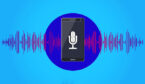
Scott Kendrick shares 4 things you may not know about speech analytics.
Speech analytics in the contact centre is not a new concept – but there is still a considerable amount of information organisations do not understand about the technology.
For example, 43% of companies do not yet know what speech analytics really is or how it can benefit their business (according to Smart Customer Service).
While there are similarities between these three forms of speech technology, it’s important to note the distinctions.
“Speech analytics not only translates what someone said – much the same as speech to text – it also determines emotion and intent by analyzing how it was said and what other words were used,” according to a recent article highlighting speech analytics capabilities.
Speech recognition, on the other hand, provides a “best guess” as to which word the caller intends, while voice recognition (sometimes called “voice printing”) allows a person’s voice to be used like a “key” to gain access to secure systems or facilities.
Research shows the number of telecommuters has increased by 800% over the past five years. As contact centre agents increasingly work remotely, the ability to effectively and efficiently manage them becomes more important.
In the 21st century contact centre, speech analytics extends beyond the four walls of the call centre and can turn unstructured audio data into actionable intelligence. This can help sales managers monitor the performance of their distributed teams to determine which agents are performing well (and why) and which require training – all from a web browser.
According to a recent Call Centre Helper article, multichannel use is predicted to rise exponentially over the next two years. Video is expected to increase 311%, while WhatsApp will grow by 470%.
As customers come to rely on multiple forms of communication in the years to come, companies need to be leveraging multichannel analytics to optimise customer engagement. Multichannel speech analytics analyses customer conversations across channels, providing insight into what customers want and need at every stage of the customer lifecycle.
Contact Babel’s “U.S. Contact Centres in 2015: The State of the Industry & Technology Penetration Rates” report shows there were 43,675 US contact centres and 211,000,000,000 minutes of inbound calling in 2014 alone. What’s more, emerging communications channels such as webchat and mobile customer service apps are set to grow at a CAGR of 21% and 49%, respectively, by 2018.

Scott Kendrick
Contact centres across the US are using interaction analytics to capture and analyse data from across channels to continuously improve performance and gather business intelligence.
Speech analytics may go by many different names – voice analytics technology, interaction analytics, customer engagement analytics, etc. – but the end result is the same: Speech analytics technology allows companies to improve agent performance, customer experiences, and ultimately the organisation’s bottom line.
With thanks to Scott Kendrick at CallMiner

Megan is Editor at Call Centre Helper. She first started working for Call Centre Helper in 2013 and has held a number of roles - News Editor, Features Editor and now Editor.
She has visited a large number of award winning contact centres such as Tesco, Lego, BT and AA. She is well respected in the industry.
Connect with Megan on LinkedIn
Read more by Megan Jones
The Latest Customer Contact Research, Reports and White Papers straight to your inbox!
Get the latest insights from Call Centre Helper by signing up for our email content.
Close



24th September 2025
From Insight to Impact: The Next Era of CX and AI Leadership – Webinar