The Largest Online Community for Contact Centre Professionals


The Largest Online Community for Contact Centre Professionals
 Close
Close



Published On: 5th Aug 2026 11:00
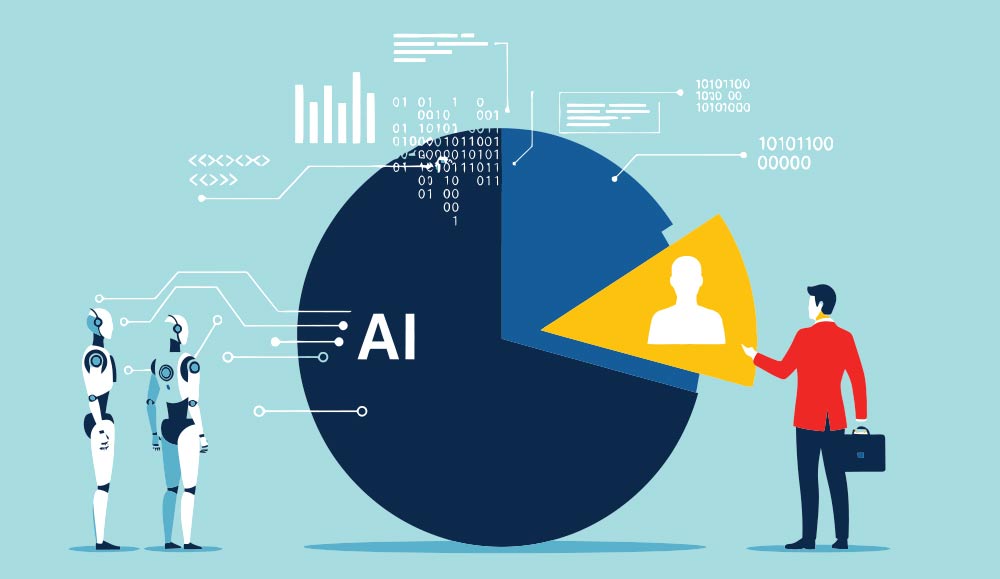
Subramanian T at Five9 explores how AI-driven customer segmentation helps unify fragmented data, improve targeting precision, and drive stronger contact centre performance.
You’re not short on data. You’re short on clarity. Customer signals are everywhere – website visits, past interactions, transaction history – even channel preferences. But when that data lives in silos, it doesn’t guide action. It creates noise.
And that noise shows up where it matters most: missed connections, low contact rates and revenue left on the table – directly impacting contact centre revenue generation.
Outbound success isn’t about doing more. It’s about doing what matters. Reaching the right person, at the right time, with the right context.
That’s where AI-driven customer segmentation changes the game.
Let’s be honest, most customer journeys today don’t feel like journeys at all. They feel like a series of disconnected moments.
Marketing has one view. Sales has another. The contact centre has a third.
Your customers notice. They repeat themselves. They get irrelevant offers. And then they disengage.
Behind the scenes, teams are left asking:
The answer is simple: you can’t act on what you can’t see.
When customer data is scattered across CRMs, EHRs, analytics tools and interaction histories, it’s nearly impossible to identify who is actually worth contacting and when – making effective unified customer data for outbound engagement feel out of reach.
AI-driven customer segmentation changes that. Instead of static lists, you get dynamic, continuously evolving audience segments built on real behavior, intent and context.
Think about what happens when all of your data is unified in one solution. Website activity starts to signal real buying intent.
Transaction history reveals true customer value. Past interactions add the context your teams have been missing. And preferences and permissions are applied automatically, ensuring every outreach stays compliant.
Instead of disconnected data points, you now have a complete, actionable view of each customer, powered by unified customer data for outbound, enabling you to engage with precision and confidence. You’re not just targeting a list; you’re identifying high-probability moments of engagement.
That’s where revenue lives.
With AI-powered segmentation, teams can:
And most importantly, they can focus effort where it actually matters.
But here’s what really moves the needle: right-party contact. Because if you don’t reach the right person, nothing else matters.
AI segmentation improves RPC by combining precision targeting with real-time decisioning – turning better targeting into measurable gains in contact centre revenue generation:
The result?
More meaningful conversations. Fewer wasted attempts. And higher conversion rates.
Segmentation is just the starting point. With the right approach, segmentation feeds directly into end-to-end journey orchestration – powered by unified customer data for outbound – so every interaction builds on the last instead of starting from scratch.
This means you can easily:
A customer browses mortgage options on your website. That signal is captured. Combined with past interactions and CRM data, they’re identified as a high-intent prospect.
They receive a timely SMS with a relevant offer. They respond.
Immediately, they’re routed to a voice interaction with an agent who already has full context of their interests, history, and needs.
No repetition. No friction. Just a connected experience that converts.
That’s how you Experience the New CX.
Segmentation does its job well – it identifies the right customers and ensures they are reached at the right time. That same foundation of unified data becomes even more powerful when it continues into the agent experience.
When data brought together for segmentation is made available during the live interaction, agents are no longer working with fragmented or incomplete information.
Instead, they are equipped with a 360-degree view of the customer that brings together interactions, transactions, and engagement history in one place.
This means agents don’t start from zero. They start with context: understanding who the customer is, what they’ve done, and why they’re likely engaging. There’s no need to switch systems or piece together information mid-conversation.
With this continuity, agents can focus on what truly matters: having meaningful conversations, resolving issues faster and identifying the right opportunities to assist, upsell, or cross-sell. It’s what turns unified data from a targeting capability into a powerful driver of better customer outcomes.
When you bring it all together, the impact compounds across the business. You connect with more of the right people, driving stronger conversions.
Automation reduces manual workloads, freeing teams to focus on higher-value interactions. Customers receive more relevant, timely engagement, strengthening connection and reducing churn.
And with every interaction tied to real outcomes, leaders gain a clear view of what’s working – and where to double down. The result is simple: a more efficient, more effective revenue engine built on precision.
Because the old model of outbound engagement doesn’t hold up. AI-driven customer segmentation brings precision into focus.
It helps you unify your data, identify the right opportunities and drive more consistent contact centre revenue generation.
This post has been re-published by kind permission of Five9 - view the original article.

Five9 empowers organizations to create hyper-personalized and effortless AI-driven customer experiences that deliver better business outcomes. Powered by Five9 Genius AI and our people, the Five9 Intelligent CX Platform is trusted by 3,000+ customers and 1,400+ partners globally. The New CX starts here and it's at the heart of every winning experience.
Find out more about Five9Reviewed by: Robyn Coppell

The Latest Customer Contact Research, Reports and White Papers straight to your inbox!
Get the latest insights from Call Centre Helper by signing up for our email content.
Close